

Quick answer
Tours from Nanaimo generally run March through October, with the strongest window from June to September when Bigg's killer whales and humpbacks are both feeding locally. Operators typically report sighting success above 90 percent across peak months. The exception is early spring, when grey whale migration dominates and weather, not whale numbers, decides whether a departure sails.
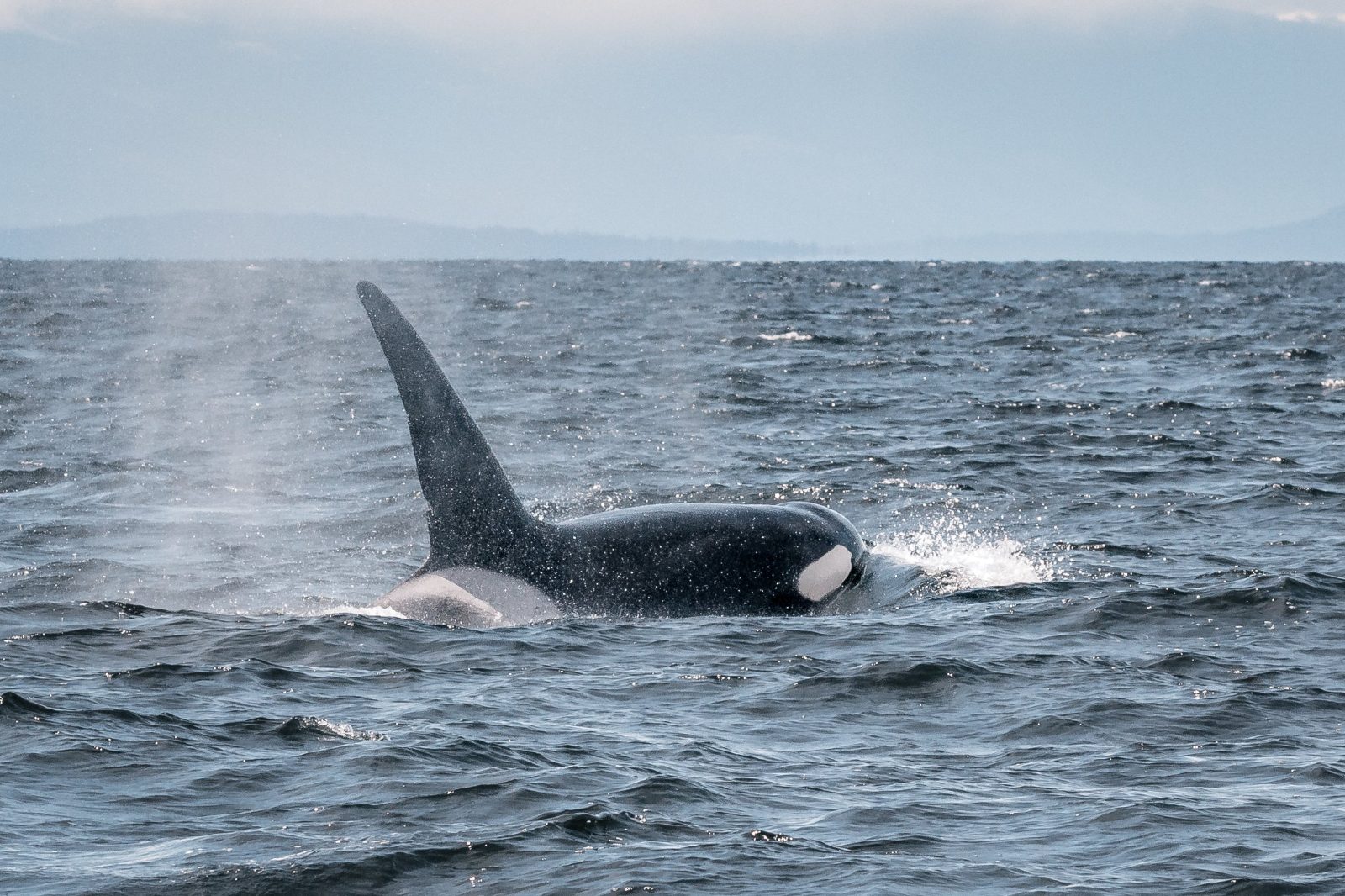
Bigg's killer whales — the mammal-eating population once called transients — are now seen off Nanaimo in higher numbers than at any point in modern record-keeping, a reversal driven by recovering harbour seal and sea lion stocks in the Strait of Georgia. That single ecological shift explains why the nanaimo whale watching season no longer hinges on the Southern Resident pods that dominated older guidebooks. Visitors planning around thirty-year-old advice tend to arrive expecting the wrong animal. The calendar breaks into recognisable phases. Grey whales pass northward along the outer coast in March and April, occasionally detouring into inside waters. Bigg's orcas hunt the Strait of Georgia year-round but concentrate as pinniped haul-outs fill through spring. Humpbacks return from Hawaiian and Mexican breeding grounds by late May and remain into October, and their numbers in the Salish Sea have climbed steadily. Steller sea lions, harbour porpoise and Dall's porpoise fill the gaps, along with bald eagles working the Gabriola and Snake Island shorelines. From the Nanaimo harbourfront, vessels reach productive water quickly, which is why departures here rarely burn an hour just getting offshore. Sighting rates are the figure most travellers misread. Operators along Vancouver Island's east coast commonly report success above ninety percent in summer, but that number reflects any cetacean encounter, not a guaranteed orca breach at close range. It also reflects a network: skippers share live positions across the Strait, so a whale found near Halibut Bank is known to every boat within minutes. Wind, not whale scarcity, is the usual reason a trip disappoints — a strong southeasterly in shoulder months limits how far a vessel can reasonably push. The practical conclusion for anyone comparing dates across a Vancouver Island whale watching tour is to match the month to the species that matters most. Orca-focused travellers have the widest window. Humpback watchers should aim for July through September. Those hoping for greys need early spring and flexibility. Booking two possible dates rather than one absorbs the weather risk that defines the shoulder of any nanaimo whale watching season, and most visitors who allow that margin see what they came for.
“Wind, not whale scarcity, is the usual reason a trip disappoints.”
Understanding the Nanaimo Whale Watching Season
The primary whale watching season in Nanaimo spans from April to October, with peak sighting success occurring between June and September when migratory patterns align. During these months, nutrient-rich waters draw diverse marine life to the region.
April to May
Low crowdsCooler, 10°C to 15°C
Early season sightings often include transient orcas and grey whales migrating north.
June to August
High crowdsWarm, 18°C to 25°C
This period offers the highest probability of seeing humpback whales and resident orcas.
September to October
Moderate crowdsMild, 12°C to 18°C
Humpback whales remain active in local waters while preparing for their southern migration.
Verdict: For the highest sighting success rates, plan your visit during the peak window of June through August.
Nanaimo Whale Watching Season Operational Hours
The office operates daily throughout the week to assist with tour inquiries and departures. Visitors are encouraged to plan their arrival within the established operational window.
| Monday | 09:00–17:00 | |
|---|---|---|
| Tuesday | 09:00–17:00 | |
| Wednesday | 09:00–17:00 | |
| Thursday | 09:00–17:00 | |
| Friday | 09:00–17:00 | |
| Saturday | 09:00–17:00 | |
| Sunday | 09:00–17:00 |
Nanaimo Whale Watching Season Entry and Tour Costs
Access to the facility is free, though all whale watching activities require a separate paid tour booking. Costs for these excursions are determined by the specific tour operator.
While facility access is free, visitors should expect to pay for individual tour bookings, with total costs depending on the chosen operator and vessel.
Getting to Nanaimo for Whale Watching Season
Our departure point is located at 5-90 Front Street, Nanaimo, BC V9R 5H7, Canada. The location is accessible via major local roadways and public transit corridors in downtown Nanaimo.
Trans-Canada Hwy (BC-1) to Front Street
BC Transit to Nanaimo Port Authority terminal
Walk east toward the waterfront from downtown Nanaimo
Preparation Checklist for Nanaimo Whale Watching Season
A short round of preparation — booking, layers, and a few small items — decides how much of the Nanaimo whale watching season you actually get to see from the water.
-
Reserve your tour weeks ahead — Sailings on peak-season dates fill early, so confirm a spot before travelling.
-
Confirm the booking by phone — Call +1-250-667-5177 to verify your reservation details and any operator requirements.
-
Carry photo ID for check-in — Operators match names on the manifest before boarding is allowed.
-
Check in at 5-90 Front Street — The waterfront departure point is where pre-tour check-in happens between 09:00 and 16:00.
-
Dress in three warm layers — Open water off Nanaimo runs colder and windier than the shoreline temperature suggests.
-
Pack a waterproof outer shell — Spray and passing rain reach open decks regardless of the forecast onshore.
-
Bring binoculars and a zoom lens — Whales often surface at distance, and 8x binoculars close the gap.
-
Take motion sickness tablets early — Most remedies need roughly an hour before departure to work properly.
Check availability
Frequently asked questions about nanaimo whale watching season
Everything you need to know about nanaimo whale watching season